Health Benefits of Houseplants — The Complete Guide
Thomas Redding Most people buy houseplants because they're beautiful. But what if your plants are doing something far more important than decorating your home? What if they're actively making you healthier?
The science is clear: houseplants have measurable, documented effects on human health. From purifying the air you breathe to lowering stress hormones, improving sleep quality, supporting heart and lung health, and even creating safer environments for newborns and toddlers — the health case for keeping live houseplants indoors is stronger than most people realize.
This is your complete guide to every proven health benefit of houseplants, backed by research and organized by health category. Use the links below to dive deep into any topic, or read straight through for the full picture.
In This Guide
- Houseplants and Air Purification
- Houseplants and Stress & Anxiety
- Houseplants and Sleep
- Houseplants and Cortisol
- Houseplants and Heart Health
- Houseplants and Lung Health
- Houseplants and Mental Health
- Houseplants Around Newborns and Toddlers
- Pet and Human Toxicity — What You Need to Know
- The Best Houseplants for Your Health
Houseplants and Air Purification
The air inside your home can be 2–5 times more polluted than outdoor air, according to the EPA. Indoor air contains volatile organic compounds (VOCs) like formaldehyde, benzene, trichloroethylene, and xylene — released by furniture, carpets, cleaning products, paint, and building materials. These compounds are linked to headaches, respiratory issues, and long-term health problems.
NASA's landmark Clean Air Study demonstrated that certain houseplants can remove significant quantities of these toxins from indoor air through a process called phytoremediation. Plants absorb VOCs through their leaves and roots, where soil microorganisms break them down into harmless compounds.
Best air-purifying houseplants:
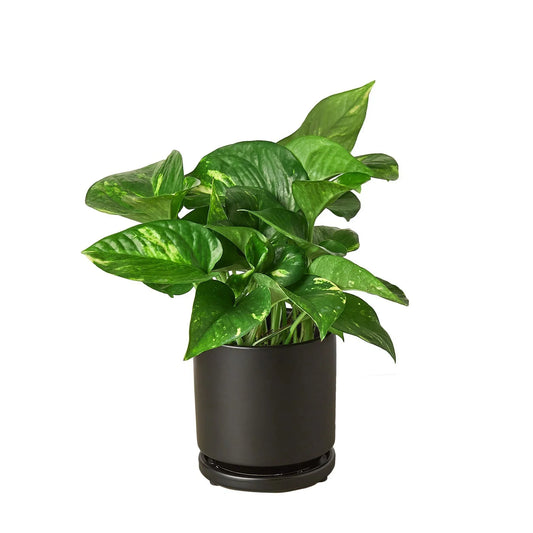
- Pothos (Epipremnum aureum) — Removes formaldehyde, benzene, and xylene. One of the most effective and easiest to grow air-purifying houseplants available.
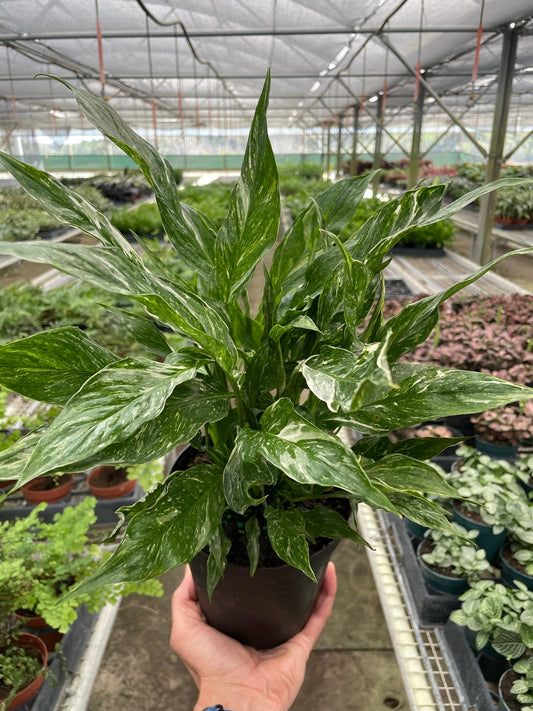
- Peace Lily (Spathiphyllum) — Removes formaldehyde, benzene, trichloroethylene, ammonia, and acetone. Also adds moisture to dry indoor air.
- Snake Plant (Sansevieria) — Uniquely converts CO₂ to oxygen at night, making it ideal for bedrooms. Removes formaldehyde and benzene.
- Spider Plant (Chlorophytum comosum) — Removes formaldehyde and xylene. Safe for pets and children.
- Monstera deliciosa — Large leaf surface area makes it an effective air purifier in living spaces.
- Philodendron — Highly effective at removing formaldehyde from indoor air.
- Dracaena — Removes benzene, formaldehyde, trichloroethylene, and xylene.
Toxicity note: Peace Lily, Pothos, Philodendron, Monstera, and Dracaena are toxic to cats and dogs if ingested. Snake Plant is mildly toxic to pets. Spider Plant is non-toxic to pets and humans. Always check toxicity before placing plants in homes with pets or young children.
For a deep dive, read our full article: How Houseplants Purify Indoor Air.
Houseplants and Stress & Anxiety
Multiple peer-reviewed studies have demonstrated that the presence of houseplants measurably reduces psychological and physiological stress. A 2015 study published in the Journal of Physiological Anthropology found that interacting with indoor plants — even just touching the soil or watering them — reduced both psychological and physiological stress responses compared to computer-based tasks.
The mechanisms behind this are well-documented:
- Biophilia effect: Humans have an innate connection to nature. Being surrounded by living plants activates the parasympathetic nervous system — the "rest and digest" system — reducing the fight-or-flight stress response.
- Phytoncides: Many plants release airborne compounds called phytoncides that have been shown to reduce anxiety and lower blood pressure.
- Visual calming: The color green has documented calming effects on the human nervous system, reducing heart rate and blood pressure.
- Humidity regulation: Plants increase indoor humidity, which reduces the physical discomfort of dry air that can contribute to irritability and stress.
For a deep dive, read our full article: How Plants Reduce Stress and Anxiety.
Houseplants and Sleep
Poor sleep is one of the most widespread health problems in the modern world — and houseplants can genuinely help. Here's how:
- Oxygen production at night: Most plants absorb oxygen and release CO₂ at night (the reverse of daytime photosynthesis). However, certain plants — notably Snake Plants, Orchids, Aloe Vera, and Bromeliads — use a different metabolic pathway (CAM photosynthesis) that allows them to continue releasing oxygen at night, improving bedroom air quality while you sleep.
- Humidity: Plants release moisture through transpiration, raising indoor humidity. Optimal humidity (40–60%) supports better sleep by keeping nasal passages and airways moist, reducing snoring and nighttime congestion.
- Stress reduction: The calming effect of plants reduces pre-sleep anxiety — one of the most common causes of insomnia.
- Air purification: Cleaner bedroom air means fewer airborne irritants disrupting sleep.
Best houseplants for the bedroom: Snake Plant, Orchid, Lavender, Aloe Vera, Bromeliad, Peace Lily, and Pothos.
For a deep dive, read our full article: Can Houseplants Help You Sleep Better?
Houseplants and Cortisol
Cortisol is your body's primary stress hormone. Chronically elevated cortisol is linked to weight gain, high blood pressure, impaired immune function, anxiety, depression, and cardiovascular disease. Research shows that exposure to plants and nature actively lowers cortisol levels.
A study published in the International Journal of Environmental Research and Public Health found that participants who spent time around plants had measurably lower salivary cortisol levels compared to those in plant-free environments. The effect was observed even with brief exposure — as little as 15 minutes near plants produced measurable cortisol reduction.
The act of caring for plants — watering, pruning, repotting — has also been shown to reduce cortisol through mindfulness-like engagement. Gardening and plant care activate the same neural pathways as meditation.
For a deep dive, read our full article: Do Plants Lower Cortisol Levels?
Houseplants and Heart Health
The cardiovascular benefits of houseplants are real and measurable. Research consistently shows that exposure to plants and nature lowers blood pressure, reduces heart rate, and decreases the risk of cardiovascular events.
- Blood pressure reduction: Multiple studies have shown that the presence of plants in indoor environments reduces systolic and diastolic blood pressure. The calming effect of biophilic environments directly reduces the cardiovascular stress response.
- Heart rate reduction: Viewing plants and nature has been shown to lower resting heart rate, reducing strain on the cardiovascular system.
- Air quality improvement: By removing VOCs and particulates from indoor air, plants reduce the burden of airborne toxins on the cardiovascular system. Long-term exposure to indoor air pollutants is a documented risk factor for heart disease.
- Stress hormone reduction: Lower cortisol and adrenaline levels — both promoted by plant exposure — directly reduce cardiovascular strain over time.
For a deep dive, read our full article: Houseplants and Heart Health.
Houseplants and Lung Health
Your lungs are directly affected by the quality of the air you breathe — and houseplants improve that air in several measurable ways.
- VOC removal: Volatile organic compounds like formaldehyde and benzene are respiratory irritants and known carcinogens. Plants actively remove these from indoor air, reducing the respiratory burden on your lungs.
- Humidity regulation: Plants release moisture through transpiration, raising indoor humidity to levels that support healthy respiratory function. Dry air irritates airways, worsens asthma, and increases susceptibility to respiratory infections. Plants help maintain the 40–60% humidity range that respiratory health experts recommend.
- Particulate reduction: Plant leaves trap airborne dust and particulates, reducing the amount of fine particles you inhale.
- Oxygen enrichment: While the oxygen contribution of a few houseplants is modest, in enclosed spaces with limited ventilation, plants contribute meaningfully to oxygen levels.
- Asthma and allergy considerations: Some plants can trigger allergies through pollen or mold in overwatered soil. Choosing low-pollen, non-flowering plants and maintaining proper watering practices minimizes this risk.
For a deep dive, read our full article: Houseplants and Lung Health.
Houseplants and Mental Health
The mental health benefits of houseplants are among the most well-researched areas in environmental psychology. Studies consistently show that people who live and work around plants report lower rates of depression, anxiety, and burnout, and higher levels of life satisfaction and cognitive performance.
- Depression: Horticultural therapy — the use of plant care as a therapeutic intervention — has been shown to reduce symptoms of depression in clinical settings. The responsibility of caring for a living thing, the sensory engagement, and the reward of watching something grow all contribute to improved mood.
- Anxiety: The presence of plants reduces anxiety through the biophilia effect, phytoncide release, and the mindfulness-like quality of plant care.
- Cognitive performance: Studies show that students and workers in plant-enriched environments demonstrate better concentration, improved memory retention, and higher productivity compared to those in plant-free spaces.
- Sense of purpose: Caring for plants gives people a daily sense of purpose and routine — particularly valuable for those experiencing loneliness, grief, or life transitions.
- Recovery from mental fatigue: Attention Restoration Theory (ART) proposes that natural environments — including indoor plants — restore directed attention capacity, reducing mental fatigue and improving focus.
For a deep dive, read our full article: Houseplants and Mental Health.
Houseplants Around Newborns and Toddlers
This is one of the most important topics for new parents — and one of the most misunderstood. The question isn't just "are plants safe around babies?" It's "can plants actually benefit my child's health?" The answer to both questions is nuanced and important.
Potential Benefits for Babies and Toddlers
- Cleaner air: Newborns and toddlers breathe faster than adults and spend more time on the floor where VOC concentrations are higher. Air-purifying plants in nurseries and play areas can meaningfully reduce their exposure to indoor air pollutants.
- Optimal humidity: Babies are especially vulnerable to dry air, which can cause dry skin, nasal congestion, and respiratory irritation. Plants that release moisture through transpiration help maintain healthy humidity levels in nurseries.
- Early nature exposure: Research in developmental psychology shows that early exposure to nature — including indoor plants — supports cognitive development, reduces stress responses, and builds a lifelong connection to the natural world.
- Reduced stress in caregivers: Parents in plant-enriched environments show lower stress levels, which directly benefits infant wellbeing through calmer, more responsive caregiving.
Critical Safety Considerations
- Toxicity is the primary concern. Many common and beautiful houseplants are toxic if ingested — and toddlers put everything in their mouths. Before placing any plant in a space accessible to young children, verify its toxicity status.
- Keep toxic plants completely out of reach. This means not just on high shelves — toddlers climb. Consider hanging planters, rooms with closed doors, or restricting toxic plants to adult-only spaces entirely.
- Soil and drainage water: Toddlers may touch or ingest soil or drainage water. Use clean, sterile potting mix and ensure drainage trays are not accessible.
- Mold risk: Overwatered plants can develop mold in the soil, which releases spores into the air. This is a respiratory concern for infants. Water plants correctly and ensure good drainage.
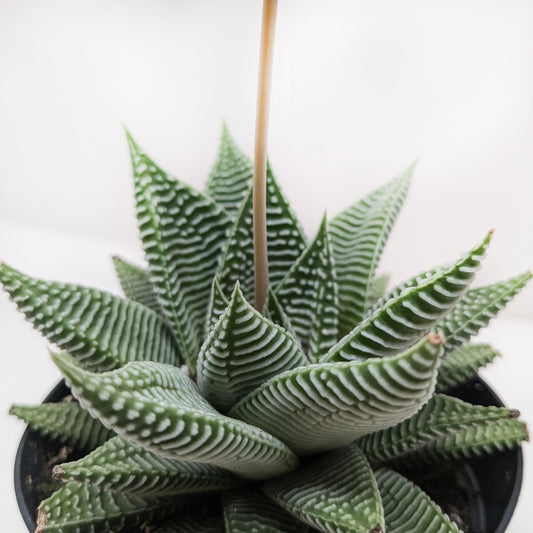
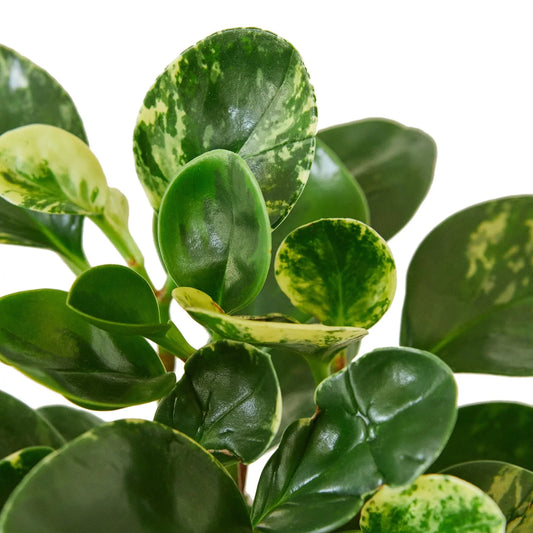
Non-toxic houseplants safe around babies and toddlers: Spider Plant, Boston Fern, Areca Palm, Calathea, Haworthia, Peperomia, and Bromeliad.
For a deep dive, read our full article: Are Houseplants Safe Around Newborns and Toddlers?
Pet and Human Toxicity — What You Need to Know
One of the most important responsibilities of a houseplant owner is understanding which plants are toxic to pets and humans. This is especially critical in homes with cats, dogs, young children, or anyone who might accidentally ingest plant material.
Common Houseplants Toxic to Cats and Dogs
- Pothos — Toxic to cats and dogs. Causes oral irritation, vomiting, and difficulty swallowing.
- Monstera deliciosa — Toxic to cats and dogs. Contains calcium oxalate crystals that cause oral pain and GI upset.
- Philodendron — Toxic to cats and dogs. Similar to Monstera in toxicity profile.
- Peace Lily — Toxic to cats and dogs. Can cause vomiting, drooling, and difficulty swallowing.
- Alocasia — Toxic to cats, dogs, and humans. Contains calcium oxalate crystals.
- Dracaena — Toxic to cats and dogs. Can cause vomiting, lethargy, and loss of appetite.
- Snake Plant (Sansevieria) — Mildly toxic to cats and dogs. Causes nausea and vomiting.
- ZZ Plant — Toxic to cats, dogs, and humans if ingested in quantity.
Common Houseplants Non-Toxic to Cats and Dogs
- Spider Plant
- Boston Fern
- Areca Palm
- Calathea / Maranta
- Haworthia
- Peperomia
- Bromeliad
- Orchid (Phalaenopsis)
- Air Plants (Tillandsia)
Always verify toxicity using the ASPCA Toxic and Non-Toxic Plants database before purchasing any houseplant for a home with pets or young children.
The Best Houseplants for Your Health
- Spider Plant — Non-toxic, excellent air purifier, easy to grow, safe for pets and children.
- Snake Plant — Releases oxygen at night, removes VOCs, extremely low maintenance. Mildly toxic to pets.
- Pothos — Outstanding air purifier, fast-growing, extremely adaptable. Toxic to pets — keep elevated.
- Peace Lily — Removes the widest range of VOCs of any common houseplant, adds humidity. Toxic to pets.
- Areca Palm — One of the best natural humidifiers, non-toxic to pets, excellent for dry climates.
- Calathea — Non-toxic, beautiful, releases moisture, thrives in lower light. Ideal for bedrooms and nurseries.
- Monstera deliciosa — Large leaf surface area for air purification, strong stress-reducing effect. Toxic to pets.
- Philodendron — Highly effective formaldehyde remover, easy to grow. Toxic to pets.
- Boston Fern — Outstanding natural humidifier, non-toxic to pets, removes formaldehyde.
- Orchid (Phalaenopsis) — Releases oxygen at night, non-toxic to pets. Ideal for bedrooms.
The Bottom Line
Houseplants are not just decoration. They are living, breathing contributors to your health — purifying your air, calming your nervous system, lowering your stress hormones, improving your sleep, supporting your heart and lungs, and creating healthier environments for your entire family.
The research is clear: homes with plants are healthier homes. Explore the full Plants & Your Health series using the links throughout this guide, and discover which plants are right for your home, your family, and your health goals.