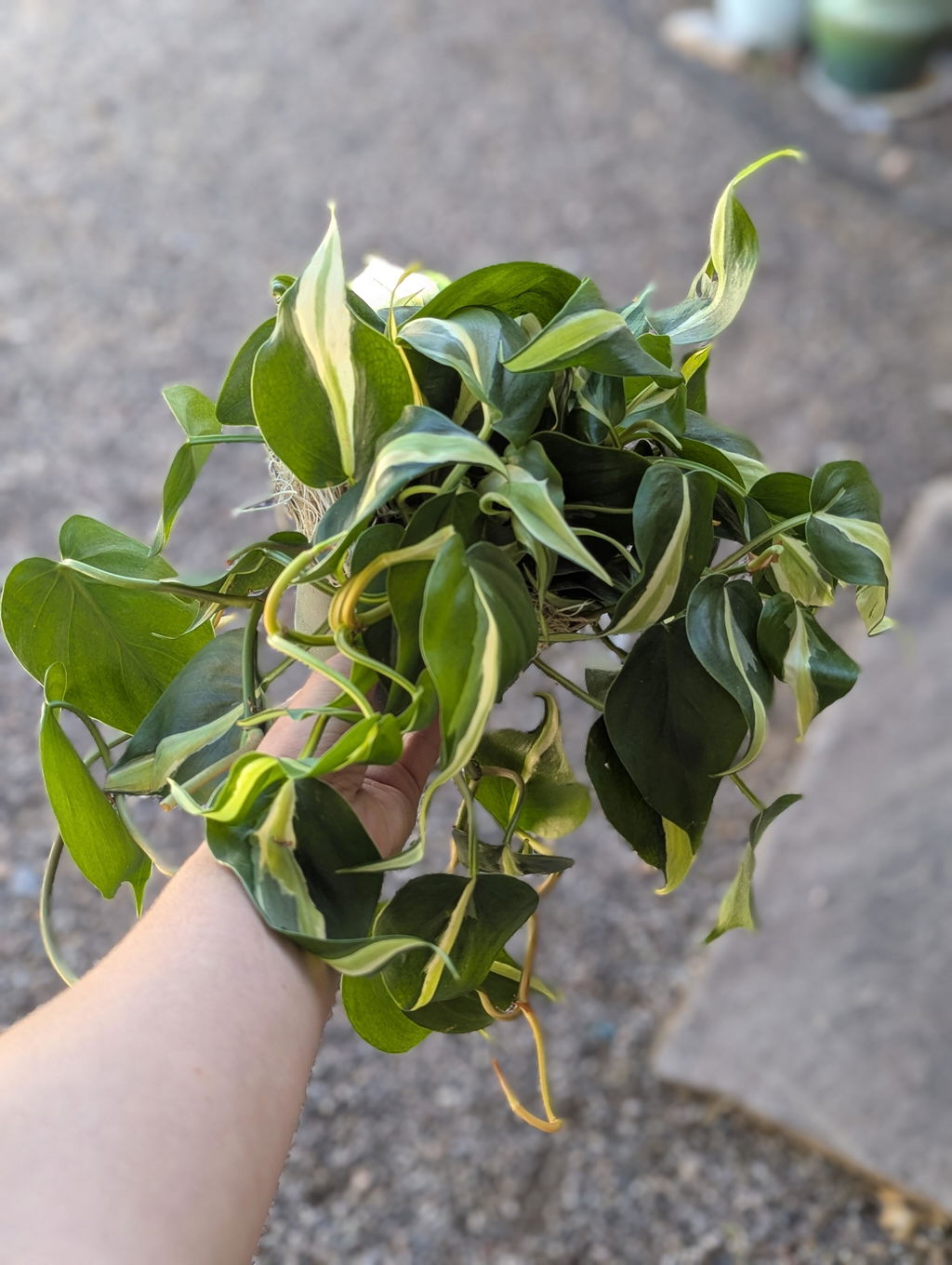
Do Plants Lower Cortisol Levels?
Thomas Redding
Cortisol is your body's primary stress hormone. In short bursts, it's essential — it mobilizes energy, sharpens focus, and prepares you to respond to challenges. But in modern life, cortisol is chronically elevated in millions of people, and the consequences are serious: anxiety, disrupted sleep, impaired immune function, weight gain, cardiovascular disease, and accelerated cellular aging.
Most cortisol management strategies require significant lifestyle changes — meditation practices, exercise regimens, dietary overhauls. But a growing body of peer-reviewed research shows that something as simple as being in the presence of houseplants produces measurable, rapid reductions in cortisol levels. This guide explains what the research actually shows, how the mechanism works, and which plants are most effective.
Related: How Plants Reduce Stress and Anxiety | Can Houseplants Help You Sleep Better? | Health Benefits of Houseplants — The Complete Guide
What Is Cortisol and Why Does It Matter?
Cortisol is produced by the adrenal glands in response to stress signals from the hypothalamic-pituitary-adrenal (HPA) axis. It serves critical functions: raising blood sugar for energy, suppressing non-essential functions during emergencies, and regulating inflammation. In a healthy stress response, cortisol rises sharply in response to a stressor and then falls back to baseline once the threat passes.
The problem is that modern psychological stressors — work pressure, financial anxiety, relationship conflict, information overload — activate the same cortisol response as physical threats, but without the physical resolution (running, fighting) that would naturally bring cortisol back down. The result is chronically elevated cortisol, which drives:
- Persistent anxiety and irritability
- Disrupted sleep (cortisol suppresses melatonin)
- Impaired immune function
- Weight gain, particularly abdominal fat
- Elevated blood pressure and cardiovascular risk
- Impaired memory and cognitive function
- Accelerated cellular aging (shortened telomeres)
- Increased inflammation throughout the body
Lowering chronically elevated cortisol is one of the most impactful things you can do for your long-term health. And the research shows that houseplants are a surprisingly effective tool for doing exactly that.
The Research: What Studies Show About Plants and Cortisol
The 2015 Journal of Physiological Anthropology Study
This landmark study directly compared cortisol responses in two groups: one that performed a computer task, and one that repotted a houseplant. Despite the computer task being less physically demanding, the plant group showed significantly lower salivary cortisol levels, lower blood pressure, lower heart rate, and reported feeling more comfortable and natural. The researchers concluded that interacting with indoor plants suppresses the physiological stress response — specifically by activating the parasympathetic nervous system and suppressing sympathetic "fight or flight" activation.
Shinrin-Yoku (Forest Bathing) Research
Japan's extensive research program on Shinrin-yoku — the practice of spending time in forested environments — has produced some of the most robust data on plants and cortisol. Studies consistently show that 15–20 minutes of exposure to a forested environment produces measurable reductions in salivary cortisol, with effects lasting hours after the exposure ends. The active compounds responsible include phytoncides — airborne volatile organic compounds released by plants — which have been shown to directly reduce cortisol and adrenaline levels when inhaled.
While indoor houseplants release phytoncides in smaller quantities than forests, in enclosed spaces the concentration builds to measurable levels. Multiple studies have shown that indoor plant exposure produces cortisol reductions consistent with the Shinrin-yoku research, though typically smaller in magnitude.
Hospital and Workplace Studies
Research in hospital settings has shown that patients in rooms with plants have lower salivary cortisol, lower perceived pain, lower anxiety scores, and shorter recovery times than patients in plant-free rooms. Workplace studies show that employees in plant-enriched offices have lower cortisol levels, lower blood pressure, and report lower perceived stress than those in plant-free offices — with effects that accumulate over time with continued exposure.
The "View Through a Window" Studies
Remarkably, even viewing plants through a window — without direct contact — produces measurable cortisol reduction. A series of studies building on Roger Ulrich's landmark 1984 research showed that hospital patients with window views of nature had lower cortisol, faster recovery, and required less pain medication than patients with views of a brick wall. This suggests that the cortisol-lowering effect of plants operates at least partly through visual processing — the mere sight of living green things activates the parasympathetic nervous system.
How Plants Lower Cortisol — The Mechanisms
1. The Biophilia Response
Evolutionary psychologist E.O. Wilson's biophilia hypothesis proposes that humans have an innate, genetically encoded affinity for living systems — a product of hundreds of thousands of years of evolution in natural environments. When our nervous systems detect the presence of living plants, they interpret this as a signal of safety, abundance, and a benign environment. This triggers automatic parasympathetic activation — the "rest and digest" response — which directly suppresses cortisol production.
This is why the cortisol-lowering effect of plants is rapid (measurable within 15 minutes) and doesn't require conscious effort or belief. It operates below the level of conscious awareness, through the same neural pathways that regulate the stress response.
2. Phytoncide Inhalation
Plants release airborne compounds called phytoncides — primarily terpenes and other volatile organic compounds — as part of their natural defense systems. Research has shown that inhaling phytoncides directly reduces cortisol and adrenaline levels, increases natural killer (NK) immune cell activity, and produces measurable reductions in anxiety scores. In enclosed spaces, phytoncide concentrations from houseplants build to levels that produce these effects.
3. Attention Restoration
Attention Restoration Theory (ART), developed by Rachel and Stephen Kaplan, proposes that natural environments restore directed attention capacity — the cognitive resource depleted by sustained focus, decision-making, and information processing. When directed attention is depleted, the stress response is amplified and cortisol rises. Exposure to natural elements — including indoor plants — restores directed attention, reducing the cognitive load that drives cortisol elevation. Even brief exposure to plants during a workday has been shown to restore attention and reduce cortisol.
4. Mindfulness Through Plant Care
The act of caring for plants — watering, pruning, inspecting — is inherently present-moment focused. It interrupts the rumination and future-oriented worry that chronically activates the HPA axis and keeps cortisol elevated. Multiple studies on horticultural therapy have documented significant reductions in cortisol in participants who engage in regular plant care, including in clinical populations with anxiety disorders and PTSD.
5. Improved Air Quality
VOCs in indoor air — from furniture, carpets, and building materials — create a low-level physiological stress burden that contributes to cortisol elevation. Air-purifying houseplants remove these compounds, reducing the physical stress load on the body. Cleaner air means lower physiological stress, which means lower cortisol over time. Read more: How Houseplants Purify Indoor Air.
How Much Cortisol Reduction Can You Expect?
The research shows cortisol reductions ranging from 12% to 28% in studies comparing plant-enriched environments to plant-free environments, with effects measurable in as little as 15 minutes of exposure. The magnitude of reduction depends on:
- Number of plants: More plants produce greater cortisol reduction. Studies showing the largest effects typically involve multiple plants in the space.
- Duration of exposure: Longer exposure produces greater and more lasting cortisol reduction.
- Active vs. passive interaction: Actively caring for plants (watering, repotting) produces greater cortisol reduction than simply being near them.
- Baseline stress level: People with higher baseline cortisol tend to show greater absolute reductions from plant exposure.
The Best Plants for Cortisol Reduction
Any living plant produces some cortisol-lowering effect through the biophilia response. However, certain plants are particularly effective:
Large Tropical Foliage — Maximum Biophilia Effect
Plants that create an immersive, lush, nature-like environment produce the strongest biophilia response and the greatest cortisol reduction:
- Monstera deliciosa — The dramatic fenestrated leaves create a powerful biophilic environment. One of the most effective plants for creating a cortisol-reducing space. Also available as Monstera 'Mint'. Toxic to pets.
- Philodendron — Fast-growing, lush, deeply green. Creates an abundant tropical environment. Also available as Philodendron Dragon Tail. Toxic to pets.
- Pothos — Trailing vines create a lush, cascading green environment. Available as Cebu Blue, Silver Streak Variegated, and Albo Variegata. Toxic to pets.
- Areca Palm — Graceful, tropical, and non-toxic to pets. Also the best natural humidifier available — raises indoor humidity which reduces physical stress burden.
Calming Patterned Foliage
Plants with intricate, patterned leaves engage the visual system in a restorative way consistent with Attention Restoration Theory:
- Calathea 'Dottie' — Stunning dark leaves with pink markings. Non-toxic to pets. One of the most visually calming houseplants available.
- Calathea roseopicta 'Silvia' — Beautiful patterned foliage. Non-toxic to pets. Leaves fold upward at night, adding a living, dynamic quality.
Air-Purifying Plants — Reducing Physical Stress Load
- Peace Lily — The most comprehensive air purifier available. Removes formaldehyde, benzene, trichloroethylene, ammonia, and acetone. Also available as Peace Lily Variegated Jessica. Toxic to pets.
- Snake Plant — Removes formaldehyde and benzene, produces oxygen at night. Available as Jaboa, Sayuri, and Starfish. Mildly toxic to pets.
- Spider Plant — Non-toxic to humans and pets. Removes formaldehyde and xylene. Also available as Spider Plant Hawaiian.
How to Use Plants Strategically for Cortisol Management
Prioritize your highest-stress spaces. The cortisol-lowering effect is dose-dependent — more plants in the space where you experience the most stress produces the greatest benefit. If you work from home, your home office is the highest priority. If your commute is your most stressful time, a plant-rich environment to return to matters enormously.
Establish a daily plant care ritual. Even 5–10 minutes of active plant care — watering, checking leaves, misting — produces measurable cortisol reduction through the mindfulness mechanism. A consistent morning or evening plant care routine provides a reliable cortisol reset.
Use plants at eye level. The cortisol-lowering visual effect is maximized when plants are in your direct line of sight. Plants on your desk, at eye level on shelves, or trailing from elevated positions provide more continuous cortisol reduction than plants tucked in corners.
Maximize plant density in your bedroom. Cortisol follows a natural diurnal rhythm — lowest at night, rising in the early morning to prepare you for the day. Chronically elevated cortisol disrupts this rhythm, keeping levels too high at night and suppressing melatonin. A plant-rich bedroom environment supports the natural nighttime cortisol decline. Read more: Can Houseplants Help You Sleep Better?
Choose plants you find beautiful. The aesthetic pleasure of a plant you genuinely love amplifies the cortisol-lowering effect. The emotional response to beauty activates the same parasympathetic pathways as the biophilia response. Don't choose plants based solely on ease of care — choose ones that bring you genuine visual joy.
The Bottom Line
The evidence is clear: houseplants measurably lower cortisol levels through multiple documented mechanisms — the biophilia response, phytoncide inhalation, attention restoration, mindful plant care, and improved air quality. The effects are rapid (measurable within 15 minutes), accumulate with continued exposure, and are amplified by active plant care.
In a world of chronically elevated cortisol, houseplants are one of the most accessible, sustainable, and evidence-based tools available for stress hormone management. Every plant in our collection is grown with care and shipped nationwide — healthy, thriving, and ready to start working for your wellbeing.
Continue reading: How Plants Reduce Stress and Anxiety | Can Houseplants Help You Sleep Better? | How Houseplants Purify Indoor Air | Health Benefits of Houseplants — The Complete Guide