Can Houseplants Help You Sleep Better?
Thomas Redding
The CDC estimates that 1 in 3 American adults does not get sufficient sleep. Chronic sleep deprivation is linked to obesity, diabetes, cardiovascular disease, depression, impaired immune function, and reduced cognitive performance. Most sleep interventions focus on screens, schedules, and supplements — but one of the most overlooked sleep tools is already growing in your living room.
Houseplants address several of the most common causes of poor sleep simultaneously: poor air quality, low humidity, pre-sleep anxiety, and elevated stress hormones. This guide explains the science and gives you a complete, practical plan for using houseplants to improve your sleep.
Related: How Plants Reduce Stress and Anxiety | Do Plants Lower Cortisol Levels? | How Houseplants Purify Indoor Air | Health Benefits of Houseplants — The Complete Guide
How Houseplants Improve Sleep — 5 Mechanisms
1. Nighttime Oxygen Production (CAM Photosynthesis)
Most plants absorb CO₂ and release oxygen during the day, then reverse this at night. A specific group — CAM plants — keep their stomata closed during the day and open them at night, releasing oxygen continuously while you sleep.
CAM plants for your bedroom:
- Snake Plant — The #1 bedroom CAM plant. Also removes formaldehyde and benzene. Available as Jaboa, Sayuri, and Starfish. Mildly toxic to pets.
- Orchid (Phalaenopsis) — Releases oxygen at night. Beautiful, long-blooming, non-toxic to humans. Also as Light Pink Phalaenopsis.
- Aloe Vera — CAM plant, releases oxygen at night. Extremely low maintenance. Non-toxic to humans.
- Bromeliad 'Donna' — CAM photosynthesis, oxygen at night. Non-toxic to pets and humans. Colorful and low-maintenance.
2. Humidity Regulation
Optimal sleep humidity is 40–60%. Below this — common with heating and AC — nasal passages dry out, causing snoring, congestion, and disrupted sleep. Plants that transpire significant moisture raise bedroom humidity naturally:
- Areca Palm — Best natural humidifier. Transpires up to 1 liter of water per day. Non-toxic to pets.
- Silver Lace Fern — Releases significant moisture. Non-toxic to pets.
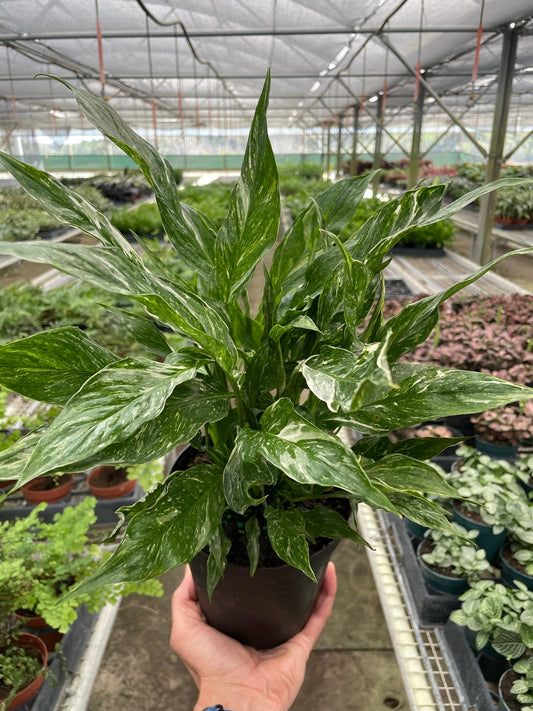
- Peace Lily — Outstanding humidifier and air purifier. Thrives in low light. Also as Peace Lily Variegated Jessica. Toxic to pets.
3. Air Purification
Mattresses, carpets, and furniture off-gas VOCs through the night. Air-purifying plants remove these compounds continuously:
- Snake Plant — Removes formaldehyde and benzene while producing nighttime oxygen. The single best bedroom plant for air quality. Mildly toxic to pets.
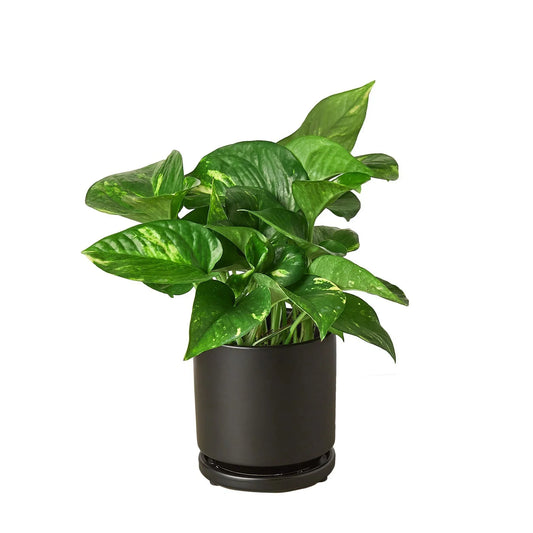
- Pothos — Outstanding air purifier, tolerates low bedroom light. Also as Silver Streak Variegated and Albo Variegata. Toxic to pets.
- Peace Lily — Removes 5 different VOCs. Most comprehensive air purifier available. Toxic to pets.
Full guide: How Houseplants Purify Indoor Air.
4. Pre-Sleep Stress Reduction
Anxiety and racing thoughts are among the most common causes of insomnia. The biophilic effect of plants — automatic activation of the parasympathetic nervous system in the presence of living plants — reduces pre-sleep anxiety and helps the nervous system transition to calm. Research shows people in plant-enriched bedrooms fall asleep faster and report better sleep quality.
Full guide: How Plants Reduce Stress and Anxiety.
5. Cortisol Reduction
Elevated evening cortisol suppresses melatonin and makes sleep difficult. The cortisol-lowering effect of plant exposure supports the natural evening cortisol decline that healthy sleep requires.
Full guide: Do Plants Lower Cortisol Levels?
The Best Bedroom Plants
Snake Plant — The undisputed #1 bedroom plant. CAM oxygen at night, removes formaldehyde and benzene, tolerates low light and infrequent watering. Nearly impossible to kill. Mildly toxic to pets.
Orchid (Phalaenopsis) — CAM oxygen at night. Beautiful, long-blooming (3–4 months per cycle), non-toxic to humans. Available as Yellow and Light Pink.
Aloe Vera — CAM oxygen at night. Water every 2–3 weeks. Non-toxic to humans. Place on a sunny windowsill.
Bromeliad 'Donna' — CAM oxygen at night. Colorful, non-toxic to pets and humans. Low-maintenance and long-lasting.
Areca Palm — Best natural humidifier. Up to 1L water transpired per day. Non-toxic to pets. Place in a bedroom corner.
Peace Lily — Removes 5 VOCs, excellent humidifier, thrives in low light. Keep out of reach of pets. Also as Variegated Jessica. Toxic to pets.
Pothos — Outstanding air purifier, low light tolerant. Trail from a high shelf. Available as Cebu Blue, Silver Streak Variegated, and Albo Variegata. Toxic to pets.
How to Set Up Your Bedroom
- Nightstand or dresser: A Snake Plant or Orchid within a few feet of where you sleep for direct nighttime oxygen benefit.
- Corner: An Areca Palm to raise humidity throughout the night.
- High shelf: Trailing Pothos or Peace Lily for continuous VOC removal.
- Keep toxic plants elevated — out of reach of pets at all times.
- Don't overwater — mold in soil releases spores that worsen air quality and trigger nighttime allergies.
What About Allergies?
For most people, plants improve rather than worsen allergy symptoms. Avoid overwatering (prevents mold spores) and choose low-pollen foliage plants for the bedroom: Snake Plant, Pothos, Calathea, and Areca Palm produce minimal pollen. If you have severe plant allergies, consult an allergist first.
The Bottom Line
Houseplants improve sleep through five documented mechanisms: nighttime oxygen production, humidity regulation, air purification, pre-sleep stress reduction, and cortisol lowering. The ideal bedroom setup combines a CAM plant for nighttime oxygen, a humidifying plant for moisture, and an air-purifying plant for VOC removal.
Every plant in our collection is grown with care and shipped nationwide — healthy, thriving, and ready to start improving your sleep from night one.
Continue reading: How Plants Reduce Stress and Anxiety | Do Plants Lower Cortisol Levels? | Health Benefits of Houseplants — The Complete Guide