Are Houseplants Safe Around Newborns and Toddlers?
Thomas Redding
You've just brought your baby home — or you're expecting — and you're looking around at your houseplant collection with new eyes. Which ones are safe? Which ones need to go? Can plants actually benefit your baby's health? And how do you create a home that's both beautifully green and genuinely safe for a curious, crawling toddler?
This guide gives you everything you need: the real health benefits of houseplants for babies and toddlers, a complete toxic vs. non-toxic plant reference, room-by-room safety recommendations, soil and mold risks, developmental benefits by age, and a clear protocol for creating a plant-enriched home that is safe for your entire family.
Health Benefits of Houseplants for Babies and Toddlers
Cleaner Nursery Air
Newborns breathe 40–60 times per minute — two to three times faster than adults. New nursery furniture, carpets, and paint off-gas VOCs including formaldehyde and benzene for weeks or months. Air-purifying houseplants remove these compounds through phytoremediation. Choosing non-toxic air-purifying plants for your nursery gives your baby cleaner air during the most vulnerable period of their respiratory development.
Optimal Humidity for Infant Respiratory Health
Dry air causes nasal congestion, eczema flares, and increased susceptibility to respiratory infections in babies. Pediatricians recommend nursery humidity between 40–60%. Plants like Boston Ferns, Areca Palms, and Spider Plants act as natural humidifiers — often more consistently than mechanical humidifiers that require regular cleaning to prevent mold.
Reduced Parental Stress
Parents in plant-enriched environments have measurably lower cortisol levels and blood pressure. This matters because babies are exquisitely sensitive to caregiver stress. Lower parental stress means calmer, more responsive caregiving — one of the most important factors in healthy infant development.
Improved Sleep Environment
Plants using CAM photosynthesis — Orchids and Bromeliads — release oxygen at night. Combined with humidity benefits, the right plant selection meaningfully improves the sleep environment for both baby and parents.
Developmental Benefits by Age
Newborns (0–3 months)
Primary benefits are environmental: cleaner air, better humidity, calmer parental environment. The movement of leaves in air currents provides gentle visual tracking practice for newborns.
Infants (3–12 months)
Research shows infants exposed to natural elements show lower stress reactivity and better self-regulation. The sensory richness of plants — varied textures, colors, movement — supports cognitive development. All plants must be completely out of reach at this stage.
Toddlers (1–3 years)
Toddlers are the highest-risk group for plant ingestion — mobile, curious, and they put everything in their mouths. They also climb. At the same time, toddlers who interact with plants develop better fine motor skills, early scientific thinking, emotional regulation, vocabulary, and a sense of nurturing responsibility. Use only non-toxic plants in toddler-accessible spaces.
Preschool and Beyond (3+ years)
Children can begin learning plant safety rules and caring for their own non-toxic plant. Research shows children who care for plants develop greater empathy, patience, and environmental awareness.
How Plant Toxicity Works
Calcium Oxalate Crystals (Most Common)
Pothos, Monstera, Philodendron, Alocasia, and Peace Lily contain microscopic needle-like crystals that cause immediate oral burning, drooling, swelling, and vomiting when chewed. The pain response usually stops ingestion before dangerous quantities are consumed. Seek immediate medical attention for throat swelling or difficulty breathing.
Saponins
Snake Plants and Dracaena contain saponins causing GI upset. Less immediately painful than calcium oxalate — larger quantities may be consumed before symptoms appear.
Alkaloids and Glycosides
Oleander (cardiac glycosides — life-threatening arrhythmias) and Sago Palm (cycasin — severe liver failure) should never be kept in homes with young children regardless of placement.
Contact Dermatitis
Ficus and Euphorbia sap causes skin redness, itching, and blistering — especially dangerous when toddlers touch plants then rub their eyes.
Houseplants Toxic to Babies and Toddlers
High Risk — Remove From Home Entirely
- Sago Palm — Causes fatal liver failure. All parts toxic. Never keep in homes with children or pets.
- Oleander — Cardiac glycosides. Life-threatening. Never keep in homes with children.
- Dieffenbachia (Dumb Cane) — Can cause airway compromise in young children. Remove from homes with toddlers.
- Caladium — High concentration calcium oxalate throughout all parts.
Moderate Risk — Keep Completely Out of Reach
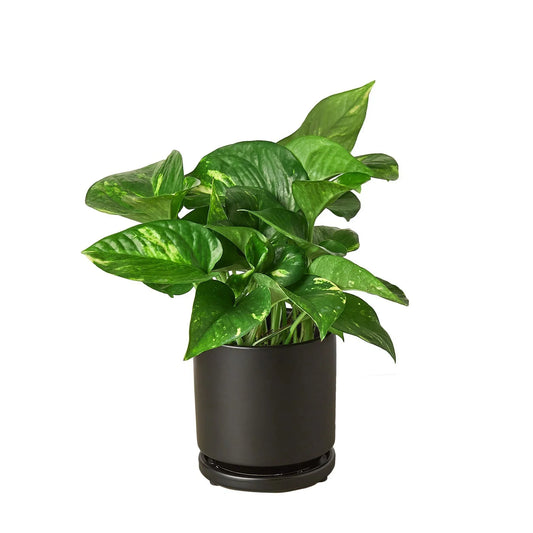
- Pothos — Calcium oxalate. Most common plant poisoning call. Hanging planters only.
- Monstera deliciosa — Calcium oxalate. Large leaves attract toddlers. Strictly out of reach.
- Philodendron (all species) — Calcium oxalate. Most common plant poisoning in children.
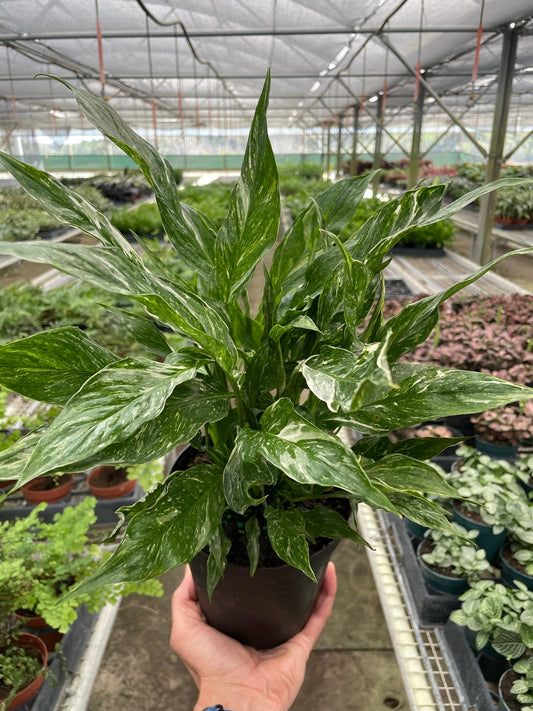
- Peace Lily — Calcium oxalate plus additional compounds. Strictly out of reach.
- Alocasia (all species) — High calcium oxalate. Toxic to children, pets, and adults.
- ZZ Plant — Calcium oxalate. Keep out of reach.
- Dracaena (all species) — Saponins. Keep out of reach.
- Snake Plant — Saponins. Mildly toxic. Keep out of reach.
- Rubber Plant — Sap causes contact dermatitis and GI upset.
- Aloe Vera — Latex layer causes GI upset if ingested. Keep out of reach.
Houseplants Safe Around Babies and Toddlers
- Spider Plant — Non-toxic to humans and pets. Best all-around nursery plant. Air purifier, humidifier, easy to grow.
- Boston Fern — Non-toxic. Outstanding humidifier. Feathery fronds visually stimulating for babies.
- Areca Palm — Non-toxic. Best natural humidifier — transpires up to 1 liter of water per day.
- Calathea (all species) — Non-toxic. Stunning patterned leaves. Thrives in low light — ideal for nurseries.
- Maranta (Prayer Plant) — Non-toxic. Leaves fold at night — toddlers find this fascinating.
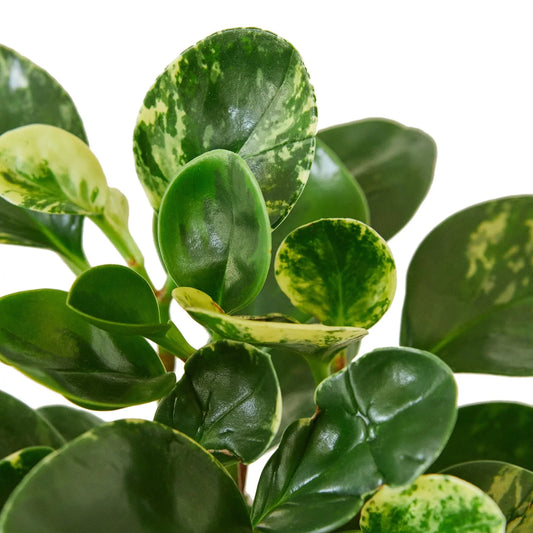
- Peperomia (all species) — Non-toxic. Compact, easy, completely safe. Excellent first plant for toddlers.
- Bromeliad (all species) — Non-toxic. Colorful, dramatic, low-maintenance.
- Orchid (Phalaenopsis) — Non-toxic. Releases oxygen at night.
- Air Plants (Tillandsia) — Non-toxic. No soil — ideal where toddlers dig in pots.
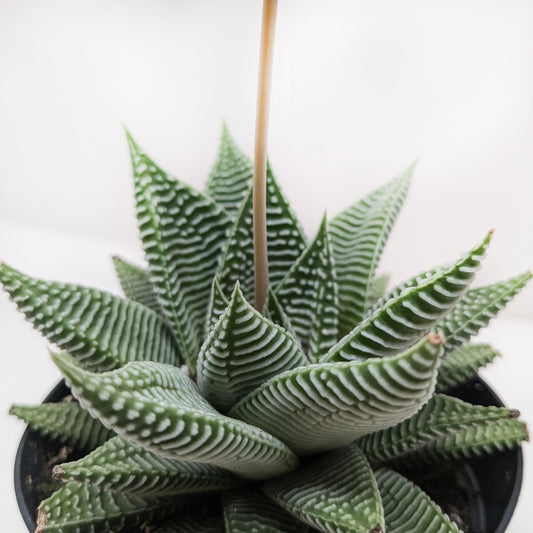
- Haworthia — Non-toxic. Small, safe, textured leaves interesting for toddlers.
- Christmas Cactus — Non-toxic to humans and pets.
- Parlor Palm — Non-toxic. Graceful, low-light, completely safe.
Room-by-Room Safety Guide
Nursery
Best plants: Spider Plant (ceiling hook), Areca Palm (corner), Boston Fern (hanging planter), Calathea (high shelf), Bromeliad (high shelf).
Never place in nursery: Pothos, Monstera, Philodendron, Peace Lily, Alocasia, Snake Plant, Dracaena, ZZ Plant.
Rules: No plants at floor or baby level. No trailing vines near crib. Stable pots only. Drainage trays inaccessible. Hanging planters securely mounted.
Living Room
Only non-toxic plants at floor level or on low furniture. Toxic plants in hanging planters or rooms with closed doors. Good choices: Areca Palm in a corner, Spider Plants hanging, Calathea on side tables, Peperomia on coffee tables.
Parents' Bedroom
Lower risk — good location for mildly toxic but beneficial plants like Snake Plants on high dressers out of reach.
Kitchen
Non-toxic plants only. Edible herbs (basil, mint, parsley) are ideal. No toxic plants on counters or windowsills toddlers can reach from a chair.
Bathroom
Good location for humidity-loving plants including mildly toxic ones if the door stays closed. Peace Lily thrives here safely.
Soil, Mold, and Hidden Risks
- Soil ingestion: Cover soil with decorative rocks or coco coir. Use self-watering pots. Fertilizer granules cause GI upset; perlite is a choking hazard.
- Mold: Overwatered plants grow mold that releases spores — a respiratory risk for babies. Water correctly, ensure drainage, empty trays promptly.
- Drainage water: Contains fertilizer residue and bacteria. Keep trays inaccessible.
- Falling pots: Use lightweight pots, securely mounted shelves, and museum putty under pots in toddler areas.
- Pollen: Choose low-pollen foliage plants for nurseries, especially with family history of allergies or asthma.
Complete Safety Protocol for Plant-Loving Parents
- Audit every plant using the ASPCA database before baby arrives.
- Rehome Sago Palm, Oleander, and Dieffenbachia entirely.
- Create safe zones (non-toxic only) and restricted zones (doors stay closed).
- Audit placement — toddlers climb. Think beyond high shelves.
- Hang trailing toxic plants from ceiling hooks out of climbing reach.
- Cover soil in accessible pots with stones or coco coir.
- Water correctly to prevent mold in baby's room.
- Save ASPCA Poison Control: (888) 426-4435.
- Teach plant safety from age 2–3: "Plants are not food."
- Give toddlers their own non-toxic plant to care for with supervision.
Best Plants for Nurseries and Baby Rooms
1. Spider Plant — Non-toxic, air purifying, humidifying, easy. Hang from ceiling hook.
2. Areca Palm — Non-toxic, best humidifier, up to 1L water/day transpired. Corner placement.
3. Boston Fern — Non-toxic, outstanding humidifier and air purifier. Hanging planter.
4. Calathea — Non-toxic, stunning patterned leaves, low light. Dresser or high shelf.
5. Bromeliad — Non-toxic, colorful, low-maintenance. High shelf.
6. Peperomia — Non-toxic, compact, forgiving of imperfect care. Toddler's first plant.
7. Parlor Palm — Non-toxic, graceful, low light. Safe for children and pets.
The Bottom Line
Houseplants and babies can absolutely coexist — and when done right, plants actively benefit your baby's health, development, and wellbeing. The plants safest for babies — Spider Plants, Areca Palms, Boston Ferns, Calathea, Bromeliads, and Peperomia — are also among the most beautiful and beneficial houseplants available. You don't have to choose between a plant-filled home and a safe one. You just have to choose wisely.
For the complete Plants & Your Health overview, visit: Health Benefits of Houseplants — The Complete Guide.