Houseplants and Heart Health
Thomas ReddingCan Houseplants Really Improve Your Heart Health?
Your heart responds to your environment more than most people realize — and the research on houseplants and cardiovascular health is more compelling than you'd expect. Multiple peer-reviewed studies show that living with indoor plants produces real, measurable improvements in heart health: lower blood pressure, reduced resting heart rate, decreased stress hormones, and cleaner air free of the toxic VOCs that silently burden your cardiovascular system over time. This isn't wellness fluff. It's physiology.
Yes — houseplants genuinely improve heart health through three documented mechanisms. First, the biophilia effect: humans are hardwired to respond to nature, and being near plants activates the parasympathetic nervous system — your rest-and-digest mode — which directly lowers blood pressure and resting heart rate. Second, plant exposure reduces cortisol and adrenaline, the stress hormones that chronically elevate blood pressure and strain the heart with long-term exposure. Third, houseplants remove VOCs like formaldehyde, benzene, and trichloroethylene from indoor air — chemicals released by furniture, carpets, and cleaning products that are directly linked to cardiovascular disease. NASA's Clean Air Study found plants can remove up to 87% of air toxins in 24 hours. Studies show measurable blood pressure reductions with as few as 2–3 plants in a room, and cortisol drops in as little as 15 minutes near plants. Best choices: Areca Palm, Snake Plant, Peace Lily, Spider Plant, Pothos, and Calathea.

🌿 Plants Mentioned in This Article
📚 More From Plants & Your Health
- Health Benefits of Houseplants — The Complete Guide
- Houseplants and Heart Health — You are here
- Houseplants and Mental Health — coming soon
- Houseplants and Lung Health — coming soon
How Does the Biophilia Effect Lower Blood Pressure?
The biophilia effect is the term scientists use to describe humans' innate, evolutionary connection to nature. We didn't evolve in offices and apartment buildings — we evolved surrounded by plants, water, and living things. When we're near plants, our nervous systems respond the way they were designed to: they shift from sympathetic (fight-or-flight) mode into parasympathetic (rest-and-digest) mode. That shift has direct cardiovascular consequences. Your heart rate slows. Your blood vessels relax. Your blood pressure drops.
A landmark study published in the Journal of Physiological Anthropology found that interacting with indoor plants — even just being in the same room — reduced both systolic and diastolic blood pressure and produced lower autonomic nervous system activity compared to computer tasks. The effect was consistent across participants and didn't require touching or tending to the plants. Just presence was enough.

What Do Stress Hormones Have to Do With Your Heart?
Cortisol is your body's primary stress hormone. In short bursts, it's fine — it's what gets you through a deadline or a difficult conversation. But when cortisol stays elevated chronically, it does serious damage to your cardiovascular system. It raises blood pressure. It increases inflammation in the arteries. It disrupts sleep, which further strains the heart. Over years, chronically high cortisol is a major risk factor for hypertension, heart disease, and stroke.
Multiple studies show that exposure to indoor plants measurably lowers cortisol. A study from the National Institutes of Health found that participants who spent time around plants showed significantly lower cortisol levels compared to those in plant-free environments. Another study found that simply viewing plants through a window produced stress hormone reductions — no direct contact required.
This is why the plants in your home aren't just decorative. They're working on your stress response every single day, whether you notice it or not. If you want to dig deeper into how this all connects to your overall wellbeing, our complete guide to the health benefits of houseplants covers the full picture.

How Do VOCs in Indoor Air Harm Your Heart?
This is the piece most people don't know about, and it's important. Your home's indoor air is almost certainly more polluted than the air outside — sometimes significantly so. The culprits are volatile organic compounds (VOCs): invisible gases released by furniture, carpets, paint, cleaning products, air fresheners, and building materials. The most common offenders are formaldehyde, benzene, trichloroethylene, xylene, and ammonia.
With long-term exposure, these compounds are directly linked to cardiovascular disease. Benzene, for example, is a known carcinogen that also disrupts bone marrow function and has been associated with increased risk of heart disease. Formaldehyde causes inflammation and has been linked to arrhythmia at high concentrations. These aren't rare industrial chemicals — they're in most homes right now, off-gassing from everyday objects.
This is where NASA's famous Clean Air Study becomes relevant. NASA researchers found that certain houseplants can remove up to 87% of air toxins within 24 hours in a sealed test environment. While real homes aren't sealed test chambers, the research established that plants are genuinely effective at removing these compounds from the air — and that the effect is meaningful at real-world plant densities.
🌱 VOCs Removed by Houseplants
| VOC | Source | Cardiovascular Risk | Best Plant to Remove It |
|---|---|---|---|
| Formaldehyde | Furniture, carpets, plywood | Inflammation, arrhythmia | Spider Plant, Peace Lily |
| Benzene | Paint, cleaning products | Heart disease, carcinogen | Peace Lily, Snake Plant |
| Trichloroethylene | Adhesives, varnish | Cardiac toxicity | Areca Palm, Peace Lily |
| Xylene | Paint thinners, rubber | Elevated blood pressure | Areca Palm, Pothos |
| Ammonia | Cleaning products | Respiratory/cardiovascular irritant | Peace Lily, Calathea |
Which Houseplants Are Best for Heart Health?
Not all houseplants are equal when it comes to cardiovascular benefits. The best heart-healthy plants combine strong air-purifying ability with calming aesthetics and low-stress care requirements — because a plant that stresses you out to keep alive is counterproductive.

Areca Palm
The Areca Palm is one of the most effective air-purifying plants you can own. It removes formaldehyde, xylene, and toluene, and it also acts as a natural humidifier — releasing moisture into the air that supports respiratory health, which in turn reduces cardiovascular strain. It's non-toxic to pets, thrives in bright indirect light, and makes a dramatic statement in any room. If you want one plant that does the most for your heart, this is it.
Snake Plant
The Snake Plant is exceptional because it's one of the few plants that converts CO2 to oxygen at night rather than during the day — making it the ideal bedroom plant for heart and lung health. It removes benzene, formaldehyde, trichloroethylene, and xylene, and it's nearly indestructible. If you forget to water for a month, it will forgive you. Place one in your bedroom and let it work while you sleep.
Peace Lily
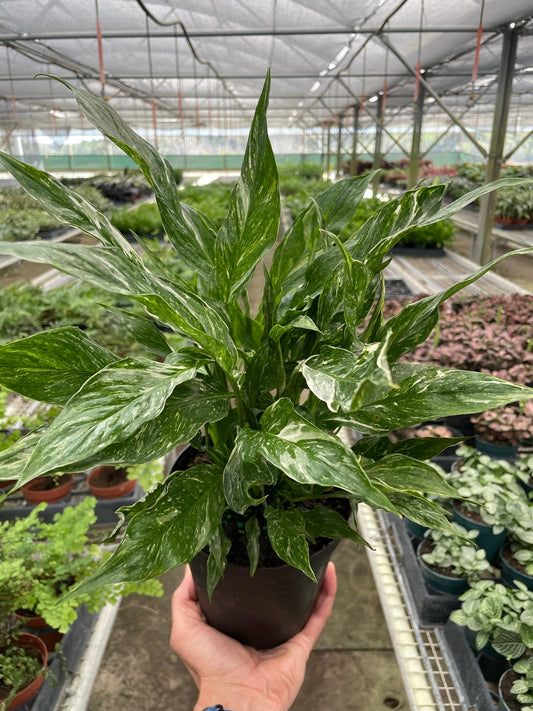
The Peace Lily removes the broadest range of VOCs of any common houseplant — formaldehyde, benzene, trichloroethylene, xylene, and ammonia. It's also one of the most visually calming plants you can own, with its deep green leaves and elegant white blooms. Important note: Peace Lily is toxic to cats and dogs. Keep it elevated or in a pet-free room.
Spider Plant
The Spider Plant is the gold standard for pet-safe air purification. It removes formaldehyde and xylene effectively, it's non-toxic, it grows fast, and it produces babies you can propagate endlessly. It's also one of the easiest plants to care for, which means zero stress — which is, of course, the whole point.
Pothos
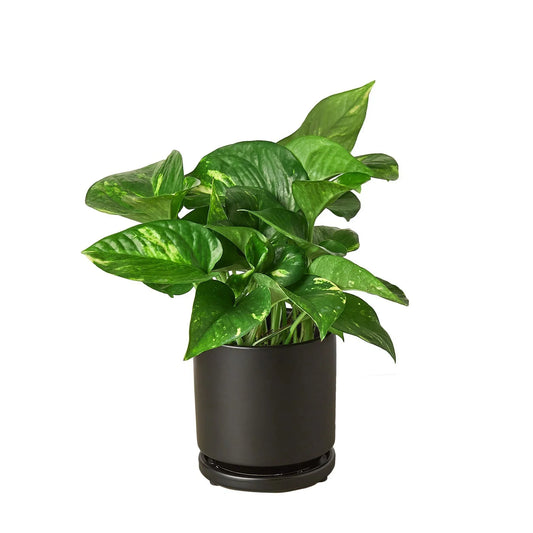
Don't underestimate Pothos. It's one of the most aggressive VOC removers available, particularly effective against formaldehyde and benzene. It grows in almost any light condition, tolerates irregular watering, and trails beautifully from shelves and hanging planters. Toxic to pets — keep out of reach.
Calathea
Calathea is the choice for people who want maximum visual impact with pet-safe, non-toxic foliage. Its dramatic patterned leaves create a calming, forest-like atmosphere that actively supports the biophilia response. Calatheas also release moisture into the air and thrive in lower light — making them ideal for bedrooms and living rooms where you spend the most time.

How Many Plants Do You Need for Heart Health Benefits?
This is one of the most common questions, and the answer is more accessible than most people expect. Research suggests that 2–3 medium-to-large plants per 100 square feet of living space is sufficient to produce meaningful air quality improvements. For stress and blood pressure benefits, even 1–2 plants in the rooms where you spend the most time — your bedroom, living room, and home office — will produce measurable results over time.
The key variable isn't quantity — it's placement. A single large Areca Palm in your living room will do more for your cardiovascular health than ten tiny succulents scattered throughout the house. Think strategically: put your most effective air purifiers in the rooms where you breathe the most air and spend the most time.
And if you're curious about how heart health connects to mental health and lung health — because they're all deeply intertwined — keep an eye on our upcoming articles on houseplants and mental health and houseplants and lung health.
Frequently Asked Questions
Can houseplants really lower blood pressure?
Yes — multiple peer-reviewed studies confirm it. Exposure to indoor plants activates the parasympathetic nervous system, lowers cortisol and adrenaline, and produces measurable reductions in both systolic and diastolic blood pressure. The effect is consistent across study participants and doesn't require touching or actively tending to plants — proximity alone produces results.
How long does it take for houseplants to affect heart health?
Cortisol reduction has been measured in as little as 15 minutes of plant exposure. Blood pressure benefits accumulate with consistent, long-term exposure — meaning the plants in your home are working on your cardiovascular health every day, not just when you're actively looking at them.
Which houseplant is best for heart health?
Areca Palm and Peace Lily are the strongest performers for cardiovascular health due to their broad VOC removal and documented stress-reducing effects. For pet-safe households, Areca Palm and Spider Plant are the top choices — both non-toxic and highly effective at improving indoor air quality.
Do indoor plants actually improve air quality enough to matter for heart health?
Yes. NASA's Clean Air Study found plants can remove up to 87% of air toxins within 24 hours in controlled conditions. In real homes, the effect is meaningful at densities of 2–3 medium plants per 100 square feet. The VOCs removed — formaldehyde, benzene, trichloroethylene — are documented cardiovascular risk factors, so reducing them directly benefits your heart.
Are there any plants that are bad for heart health?
No plant is inherently harmful to heart health when used as a houseplant. However, heavily fragrant plants like Jasmine or high-pollen plants can trigger allergic responses in sensitive individuals, which creates cardiovascular stress. If you have plant allergies, stick to low-pollen, non-fragrant species like Snake Plant, Calathea, or Pothos.
How many plants do I need in my bedroom for heart health?
One to two plants in your bedroom is enough to make a difference. Snake Plants are the top bedroom choice because they convert CO2 to oxygen at night — supporting better sleep quality, which is directly and profoundly linked to cardiovascular health. Poor sleep is one of the strongest risk factors for heart disease, so anything that improves sleep quality is a win for your heart.
Is caring for plants itself good for heart health?
Yes — the act of tending to plants has been shown to lower stress hormones, reduce anxiety, and improve mood. Gardening and plant care are classified as "green exercise" and have been associated with reduced cardiovascular risk in multiple studies. So the act of watering, repotting, and caring for your plants is itself cardiovascular medicine.