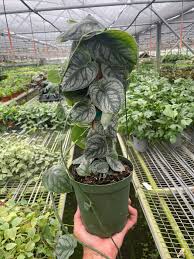
Monstera 'Dubia' (Shingle Plant)
Monstera 'Dubia' (Shingle Plant)
Regular price
$79.99 USD
Regular price
Sale price
$79.99 USD
Free Nationwide Shipping
Buy 2 Get 3rd 25% Off
Buy 2 Get 3rd 25% Off
Quantity
Couldn't load pickup availability
- Botanical Name: Monstera Dubia
- Common Names: Shingle Plant
- Description: Monstera dubia is one of the smaller, lesser-known monstera varieties, but it’s very beautiful and makes a great addition to any monstera lover’s houseplant collection. You can recognize Monstera dubia by the small, heart-shaped leaves, speckled with both light and dark green. The gorgeous light and dark green patterned leaves make this a beautiful plant. Monstera dubia is sometimes called the “shingle plant” because its leaves lie so flat against the trees it climbs in the wild, creating the appearance of shingles.
- Light: Prefers bright, indirect light (e.g., [east-facing window]). Avoid direct sun to prevent leaf scorching.
- Water: Water when the top 1–2 inches of soil are dry. Keep the soil moist but not soggy, allowing it to dry slightly more in winter.
- Humidity/Watering: High humidity is crucial. Use a humidifier, pebble tray, or keep in a greenhouse cabinet.
- Soil: Use an airy, well-draining mixture such as 40% [orchid bark], 30% [perlite], and 20-30% [coco coir/peat moss].
- Support: A flat, rough surface is necessary for the plant to "shingle" (lay leaves flat against the support).
- Temperature: Thrives in warm, tropical conditions, ideally above 555F-60F(13C-15C)
-
Fertilizer: Use a balanced [liquid fertilizer] during the growing season (spring/summer).
YouTube +7
Key Tips
- Shingling: To encourage the juvenile shingling behavior, ensure the stem is directly attached to the climbing surface.
- Propagation: Propagate via stem cuttings with at least one node, using [sphagnum moss] or [perlite] for best results.
- Toxicity: Like other Monsteras, this plant is not safe for pets.
- Pests: Generally pest-free but should be checked regularly for common houseplant pests like spider mites or mealybugs.