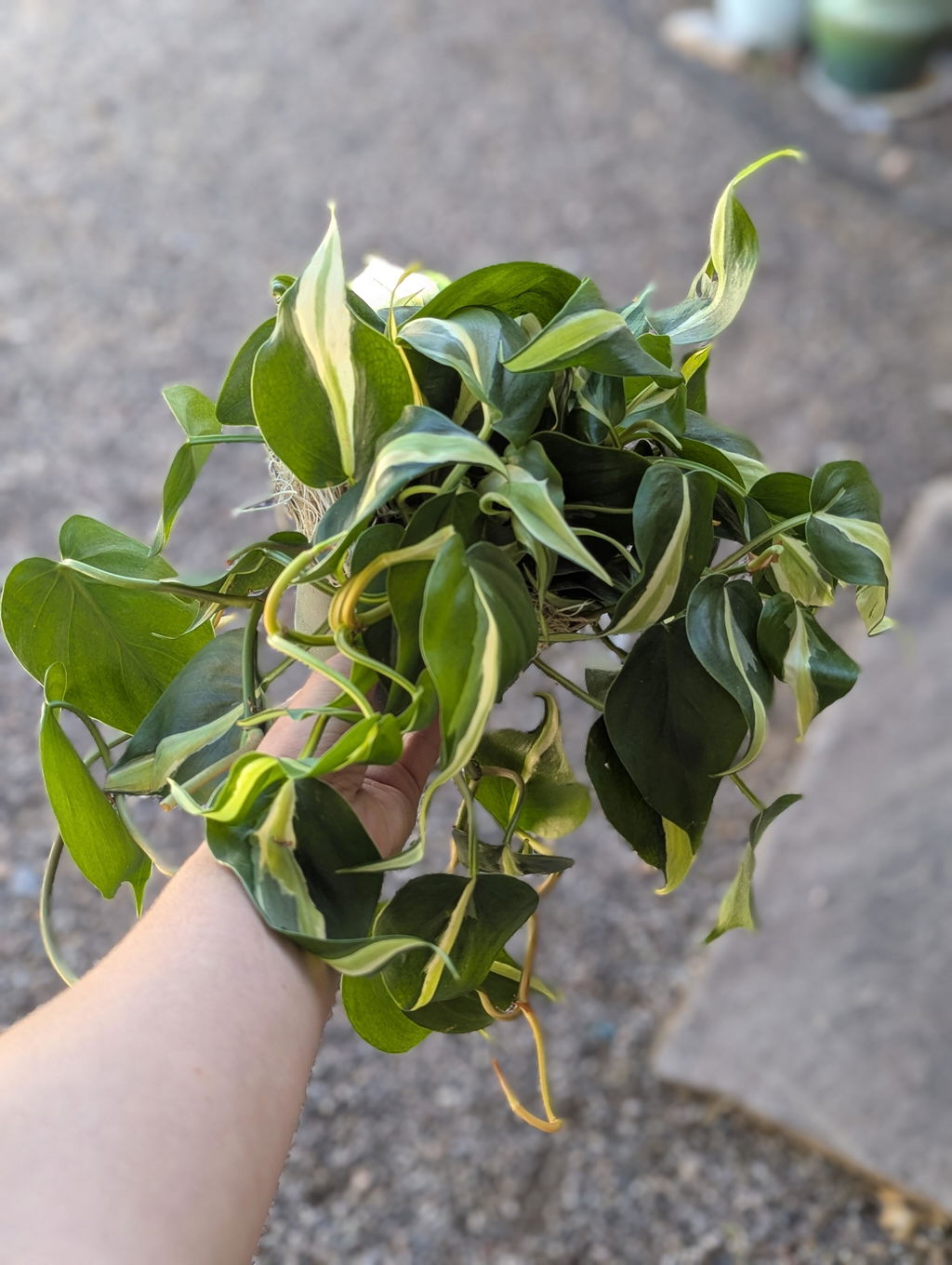
What's the Best Soil for Anthuriums?
Thomas ReddingShare
Getting the soil right is one of the most important things you can do for your Anthurium. These are tropical rainforest plants that grow naturally in loose, fast-draining organic matter — not dense, compacted potting soil. Give them the wrong mix and you'll fight root rot, slow growth, and poor blooming no matter how well you water. Get it right and your Anthurium will reward you with lush foliage and near year-round blooms.
Want to know how to care for your Anthurium beyond soil? Check out our complete Anthurium Care Guide →
Why Regular Potting Soil Doesn't Work for Anthurium
Standard potting soil holds too much moisture and compacts over time, cutting off the oxygen flow that Anthurium roots need to thrive. In the wild, Anthurium grows in loose, chunky organic debris on the rainforest floor — or even as a semi-epiphyte clinging to trees. Their roots are thick, fleshy, and designed to breathe. Dense soil suffocates them fast.
Signs your Anthurium is in the wrong soil:
- Yellowing leaves despite correct watering
- Mushy or brown roots when you unpot
- Soil staying wet for more than 7–10 days
- Slow or no new growth despite good light
- Root rot recurring even after treatment
What Anthurium Soil Needs to Do
The ideal Anthurium mix needs to check four boxes:
- Fast drainage — water should flow through quickly and not pool at the bottom
- High aeration — roots need oxygen between waterings
- Moisture retention (but not waterlogging) — it should hold just enough moisture to keep roots hydrated without staying soggy
- Slightly acidic pH — Anthurium prefers a pH of 5.5–6.5
The Best DIY Anthurium Soil Mix
This is our go-to recipe that works beautifully for most Anthurium varieties:
- 40% orchid bark (medium grade) — provides chunky structure and excellent aeration
- 30% perlite — improves drainage and prevents compaction
- 20% coco coir — retains just enough moisture without waterlogging
- 10% worm castings — adds gentle slow-release nutrients and beneficial microbes
Mix thoroughly and pre-moisten slightly before potting. The finished mix should feel loose and chunky — almost like a handful of mulch, not like dense potting soil.
Optional Additions Worth Considering
Activated charcoal (5–10%) — helps filter toxins and keeps the mix fresh, especially useful in terrariums or closed environments.
Sphagnum moss (10–15%) — great for younger plants or cuttings that need a bit more moisture retention while establishing roots.
Pumice — an alternative to perlite with similar drainage benefits. Use whichever you can source easily.
Biochar — improves soil structure and microbial activity over time. Optional but beneficial for long-term plant health.
Can You Use a Pre-Made Aroid Mix?
Yes — and it's a great option if you don't want to mix your own. Look for pre-made aroid mixes that list orchid bark, perlite, and coco coir as primary ingredients. Avoid any mix that lists regular potting soil or peat moss as the main ingredient — these will compact and hold too much water for Anthurium.
If you're using a store-bought mix that feels too dense, you can always amend it by mixing in extra perlite or orchid bark to open it up.
How Often Should You Repot Anthurium?
Repot every 2 years, or sooner if you see roots circling the bottom of the pot or growing out of the drainage holes. Always go up just one pot size — Anthurium actually blooms better when slightly root-bound, and an oversized pot holds excess moisture that can lead to rot.
The best time to repot is spring, at the start of the growing season. Always use fresh mix when repotting — old soil breaks down over time and loses its drainage properties.
Pot Choice Matters Too
The best soil in the world won't save your Anthurium if it's in a pot without drainage. Always use a pot with at least one drainage hole. Terracotta pots are excellent for Anthurium because they're porous and help wick away excess moisture. Plastic pots retain more moisture — fine if you tend to underwater, but risky if you're a heavy waterer.
Avoid decorative pots without drainage as a primary planter. If you love the look of a cachepot, use it as a sleeve and keep your Anthurium in a nursery pot with drainage inside it.
Signs Your Soil Mix Is Working
- Soil dries out within 7–10 days between waterings
- Roots are white or light tan and firm when you unpot
- New leaves are emerging regularly during the growing season
- Plant is blooming or showing spathe development
Signs You Need to Adjust Your Mix
- Soil stays wet longer than 10 days — add more perlite or orchid bark
- Plant dries out in 2–3 days — add a bit more coco coir or sphagnum moss
- Roots are brown and mushy — root rot from poor drainage; repot immediately into a drier mix
Ready to add a new Anthurium to your plant collection? Explore our Anthurium Collection →
Want to know how to propagate your Anthurium once it's thriving? Check out our complete Anthurium Propagation Guide →
⚠️ Toxicity Note: Anthurium is toxic to cats, dogs, and humans if ingested. Keep out of reach of pets and children.