Which Houseplants Get Pests the Most & How to Prevent Them
Thomas ReddingShare
Introduction
Not all houseplants are equally vulnerable to pests. Some plants seem to attract every bug in the room, while others go years without a single issue. Understanding which plants are most pest-prone — and why — is one of the best things you can do to protect your collection. Pair that knowledge with a solid prevention routine and you'll spend far less time fighting infestations.
Which Plants Are Most Prone to Pests?
1. Monsteras & Philodendrons
These popular tropicals are magnets for spider mites, mealybugs, and scale. Their large, broad leaves collect dust easily, and their dense growth habit creates plenty of hiding spots. Thrips are also increasingly common on Monsteras, especially new growth.
2. Pothos & Epipremnum
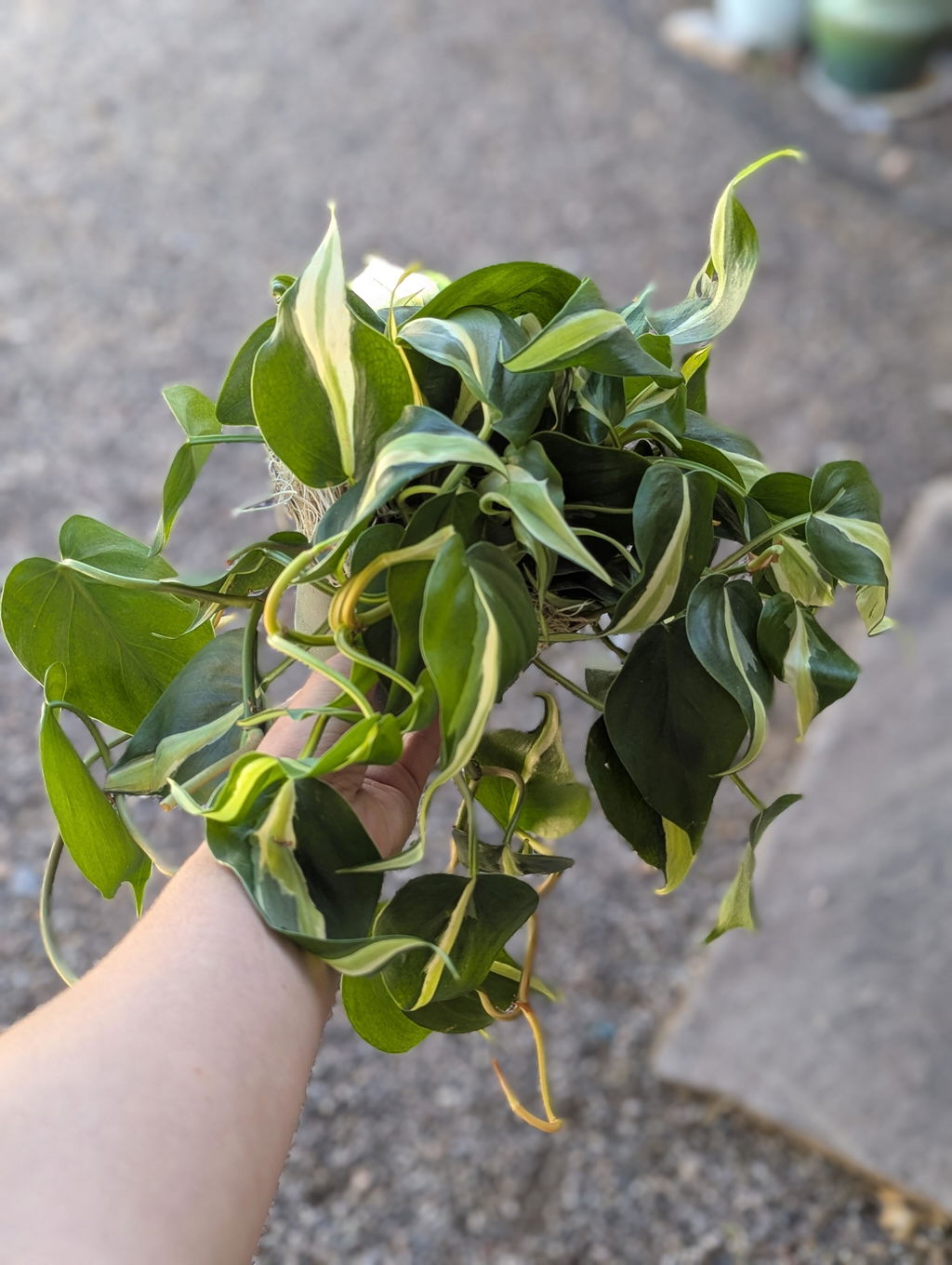
Pothos are generally hardy, but their trailing vines make it easy for mealybugs and spider mites to spread undetected from plant to plant. Check stem joints and leaf undersides regularly.
3. Fiddle Leaf Figs (Ficus lyrata)
Fiddle leaf figs are notorious for attracting spider mites and scale, especially when stressed by inconsistent watering or low humidity. Stressed plants are always more vulnerable to pests.
4. Orchids
Orchids are highly susceptible to mealybugs, scale, and fungus gnats. Their bark-based potting media stays moist and is a prime environment for fungus gnat larvae. Mealybugs love to hide in the crown and between pseudobulbs.
5. Palms
Palms are a favorite target for spider mites, particularly in dry indoor environments. Infestations can spread rapidly across fronds and are often missed until significant damage has occurred.
6. Ferns
Ferns thrive in humidity, but that same moisture attracts fungus gnats and mealybugs. Their delicate fronds also make aggressive treatment tricky — always use gentle, diluted solutions.
7. Cacti & Succulents
Despite their tough reputation, cacti and succulents are very prone to mealybugs and scale. Mealybugs love to hide deep in the crevices between leaves and at the base of the plant where they're hard to spot.
8. Alocasias & Colocasias
These dramatic tropicals are highly attractive to spider mites and thrips. Their thin, large leaves show damage quickly, and they tend to be stressed by indoor conditions, making them more vulnerable.
9. Calatheas & Marantas
Calatheas are prone to spider mites, especially in low humidity. Their decorative leaves show stippling and bronzing damage very visibly, making early detection easier — but prevention is still far better than treatment.
10. Herbs (Basil, Mint, Rosemary)
Indoor herbs are frequent targets for aphids, fungus gnats, and spider mites. Their fast growth and soft foliage make them easy targets, and because they're edible, treatment options are more limited.
Why Are Some Plants More Pest-Prone?
Several factors make certain plants more attractive to pests:
- Soft, tender foliage — easier for sap-sucking insects to pierce
- Dense or complex growth habits — more hiding spots for pests
- Stress — overwatered, underwatered, or low-light plants are weaker and more vulnerable
- Low humidity environments — spider mites in particular thrive in dry air
- Dusty leaves — dust clogs stomata and weakens the plant's natural defenses
The Best Ways to Prevent Pests
1. Quarantine New Plants
This is the single most important prevention step. Keep any new plant isolated from your collection for 2–4 weeks and inspect it thoroughly before introducing it. Many infestations start with a single new plant.
2. Inspect Regularly
Make pest checks part of your watering routine. Flip leaves over, check stem joints, and look at the soil surface every time you water. Early detection makes treatment dramatically easier.
3. Keep Leaves Clean
Wipe down leaves with a damp cloth monthly. This removes dust, improves photosynthesis, and makes it harder for pests to establish. For smaller plants, a gentle shower works well.
4. Maintain Proper Humidity
Spider mites and thrips thrive in dry air. Keeping humidity above 50% — especially for tropical plants — significantly reduces the risk of these pests. Use a humidifier or pebble tray near vulnerable plants.
5. Avoid Overwatering
Soggy soil is the primary cause of fungus gnat infestations. Always let the appropriate amount of soil dry out between waterings and ensure your pots have drainage holes.
6. Use Preventative Neem Oil Treatments
Apply a diluted neem oil spray (2–3 tsp neem oil + 1 tsp dish soap per quart of water) to your plants once a month as a preventative measure. Focus on leaf undersides and stem joints. Do this in the evening to avoid leaf burn.
7. Ensure Good Airflow
Stagnant air encourages pest populations to grow. A small fan on low near your plant collection improves airflow and makes the environment less hospitable to pests.
8. Don't Overfertilize
Excess nitrogen produces soft, lush growth that is highly attractive to aphids and other sap-sucking insects. Fertilize at the recommended rate and avoid over-application.
9. Use Quality, Well-Draining Soil
Fresh, high-quality potting mix is less likely to harbor pests than old or reused soil. Always use fresh mix when repotting and avoid bringing outdoor soil indoors.
10. Isolate at the First Sign of Trouble
The moment you spot a pest, move that plant away from the rest of your collection. Pests spread fast — isolation buys you time to treat without risking your other plants.
Building a Prevention Routine
The most effective pest prevention is consistent and simple. A good routine looks like this:
- Every watering: Quick visual check of leaves, stems, and soil
- Monthly: Wipe down leaves and apply preventative neem oil spray
- Every new plant: 2–4 week quarantine before joining the collection
- Seasonally: Deep inspection of all plants, check roots when repotting
With the right plants in the right conditions and a consistent prevention routine, you can keep your collection thriving and largely pest-free.