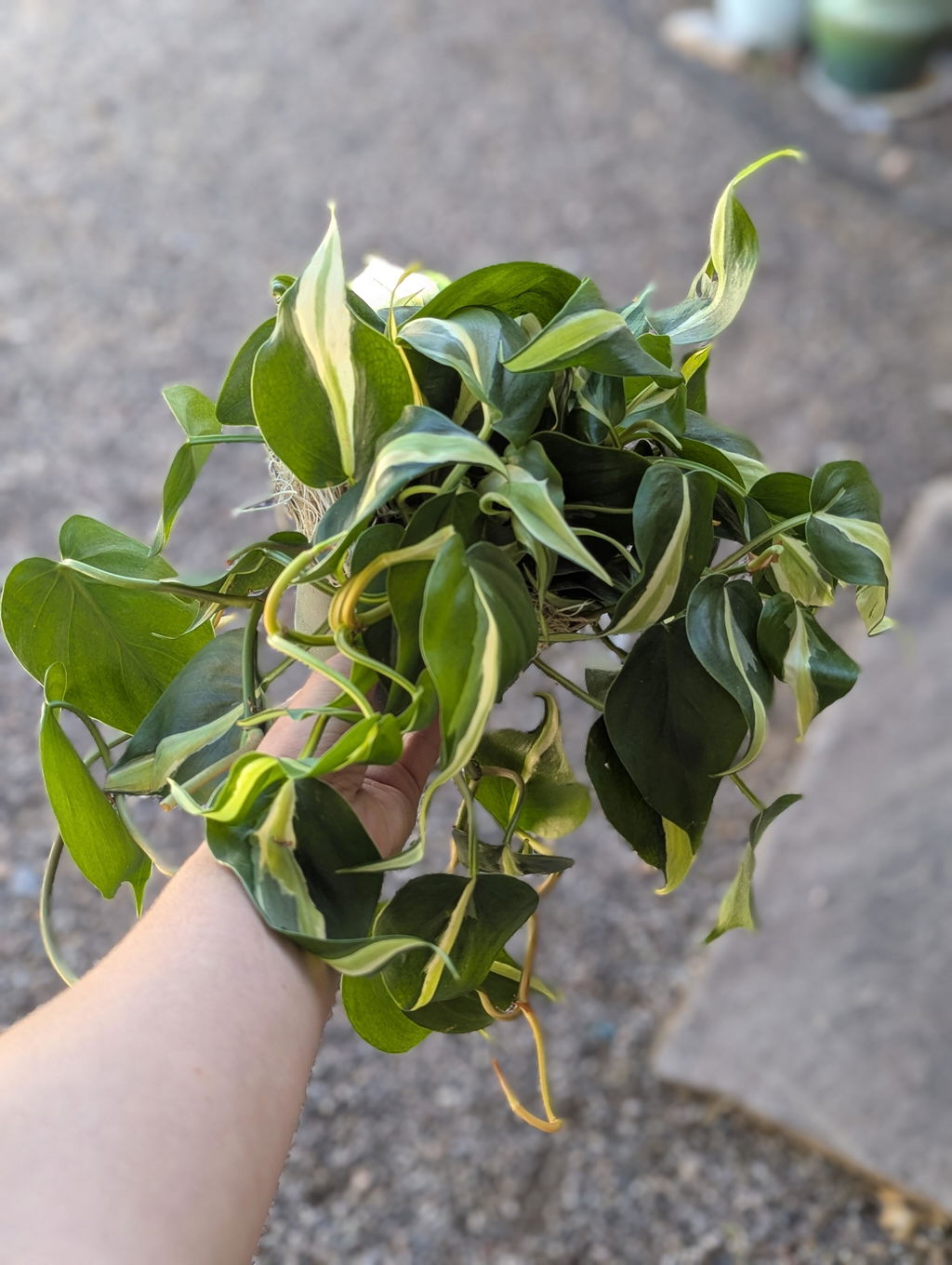
Toxic Houseplants to Avoid If You Have Cats or Dogs
Thomas ReddingShare
Many of the most popular houseplants are toxic to cats and dogs. If you're a pet owner, knowing which plants to avoid — and why — could save your pet's life. Here's a comprehensive guide to the most common toxic houseplants and the symptoms they cause.
Why Do Plants Cause Toxicity?
Plants produce natural compounds like calcium oxalate crystals, alkaloids, and glycosides as defense mechanisms. When ingested by pets, these compounds can cause reactions ranging from mild irritation to serious organ damage.
Highly Toxic Plants to Avoid
1. Pothos (Epipremnum aureum)
Toxic to: Cats and dogs
Symptoms: Oral irritation, drooling, vomiting, difficulty swallowing
Why: Contains insoluble calcium oxalate crystals that cause intense burning and irritation in the mouth and GI tract.
2. Monstera (Monstera deliciosa)
Toxic to: Cats and dogs
Symptoms: Oral pain, excessive drooling, vomiting
Why: Like Pothos, Monstera contains calcium oxalate crystals.
3. Philodendron (Philodendron spp.)
Toxic to: Cats and dogs
Symptoms: Oral irritation, swelling, vomiting, difficulty breathing in severe cases
Why: Calcium oxalate crystals throughout the plant.
4. Peace Lily (Spathiphyllum)
Toxic to: Cats and dogs
Symptoms: Drooling, vomiting, difficulty swallowing, pawing at mouth
Why: Contains calcium oxalate crystals. Despite its gentle name, it's one of the most commonly ingested toxic plants.
5. ZZ Plant (Zamioculcas zamiifolia)
Toxic to: Cats and dogs
Symptoms: Vomiting, diarrhea, skin irritation
Why: Contains calcium oxalate crystals throughout all parts of the plant.
6. Dieffenbachia (Dumb Cane)
Toxic to: Cats and dogs
Symptoms: Intense oral burning, swelling of the tongue and throat, drooling, vomiting
Why: One of the highest concentrations of calcium oxalate crystals of any houseplant.
7. Sago Palm (Cycas revoluta)
Toxic to: Cats and dogs
Symptoms: Vomiting, diarrhea, seizures, liver failure
Why: Contains cycasin, which is highly toxic and can be fatal even in small amounts. This is one of the most dangerous plants for pets.
8. Aloe Vera
Toxic to: Cats and dogs
Symptoms: Vomiting, diarrhea, lethargy, tremors
Why: Contains saponins and anthraquinones which are toxic when ingested.
9. Snake Plant (Sansevieria/Dracaena trifasciata)
Toxic to: Cats and dogs
Symptoms: Nausea, vomiting, diarrhea
Why: Contains saponins that can cause GI upset.
10. Alocasia (Elephant Ear)
Toxic to: Cats and dogs
Symptoms: Oral pain, drooling, vomiting, difficulty swallowing
Why: Contains calcium oxalate crystals and other irritants.
What to Do If Your Pet Ingests a Toxic Plant
- Stay calm and remove your pet from the plant immediately.
- Identify the plant — take a photo or note the name.
- Call your vet or the ASPCA Animal Poison Control Center: (888) 426-4435.
- Do not induce vomiting unless specifically instructed by a vet.
- Bring a sample of the plant to the vet if possible.
Resources
- ASPCA Toxic Plant Database
- ASPCA Animal Poison Control: (888) 426-4435